jekyll-zeta

Features
- Pagination support - Built-in pagination for blog posts
- Tags support - Organize and categorize your posts with tags
- MathJax support - Render mathematical expressions with MathJax
- Code inclusion support - Include code snippets in your posts
- Post linking - Link to other posts within your blog
- Encryption support - Protect sensitive content with password-based encryption. Only users with the correct password can view encrypted articles
Encryption Feature
Important Note:
Only textual content of articles will be encrypted; images will NOT be encrypted-
Images can be encrypted using the
asset_imgtag (available fromv0.11.6)
To encrypt images:
- Name your sensitive images with the
.secextension (e.g.,name.sec.png) - Add the following exclude configuration to your
_config.yml:
exclude:
  - "**/*.sec.*"
  - "*.sec.*"
How to Encrypt Your Posts
- Generate your public and private keys to protect your password:
ltectool gYou will receive output similar to:
publickey: AAA
privatekey: BBBBB
- Encrypt your password using the public key:
# ltectool e [your publickey] [your password]
# Example:
ltectool e Arkuf0hG0sjifj+G57o4gwPgnXXD72kIhjhSGjyyGCdS 123

# Output:
AQAQACAAIQCVKE9YHFT4pzyMa84kqGK+4Olo3EeDlymDa0oZcsQ48j8S4D4fMFb37gUT4LgrxZQDCFLa402i9VhhMIYWXZP+WSsv2Ia+uQpEH5vYKgDR5vL4xXC/76wXl3K7abU7u9du-
Add the encrypted password to your
_config.yml:
enc_tags:
  - tag: encrypt1
    password: "123"  # Plain text - NOT recommended

  - tag: encrypt2
    # 123
password: AQAQACAAIQCVKE9YHFT4pzyMa84kqGK+4Olo3EeDlymDa0oZcsQ48j8S4D4fMFb37gUT4LgrxZQDCFLa402i9VhhMIYWXZP+WSsv2Ia+uQpEH5vYKgDR5vL4xXC/76wXl3K7abU7u9du-
Set the private key as an environment variable before running
jekyll build, or configure it in your CI environment:
# export JEKYLL_EC_PRIVATEKEY=[Private key]
export JEKYLL_EC_PRIVATEKEY="NWWtiQbDnSDvTdogCzAjqNqHGTZrRXdmXQrEKiv3vNs="
Security Recommendation: For enhanced security, use separate repositories to store your source files and the _site files.
Origin
This theme is based on a minimal, performance-focused design with the following characteristics:
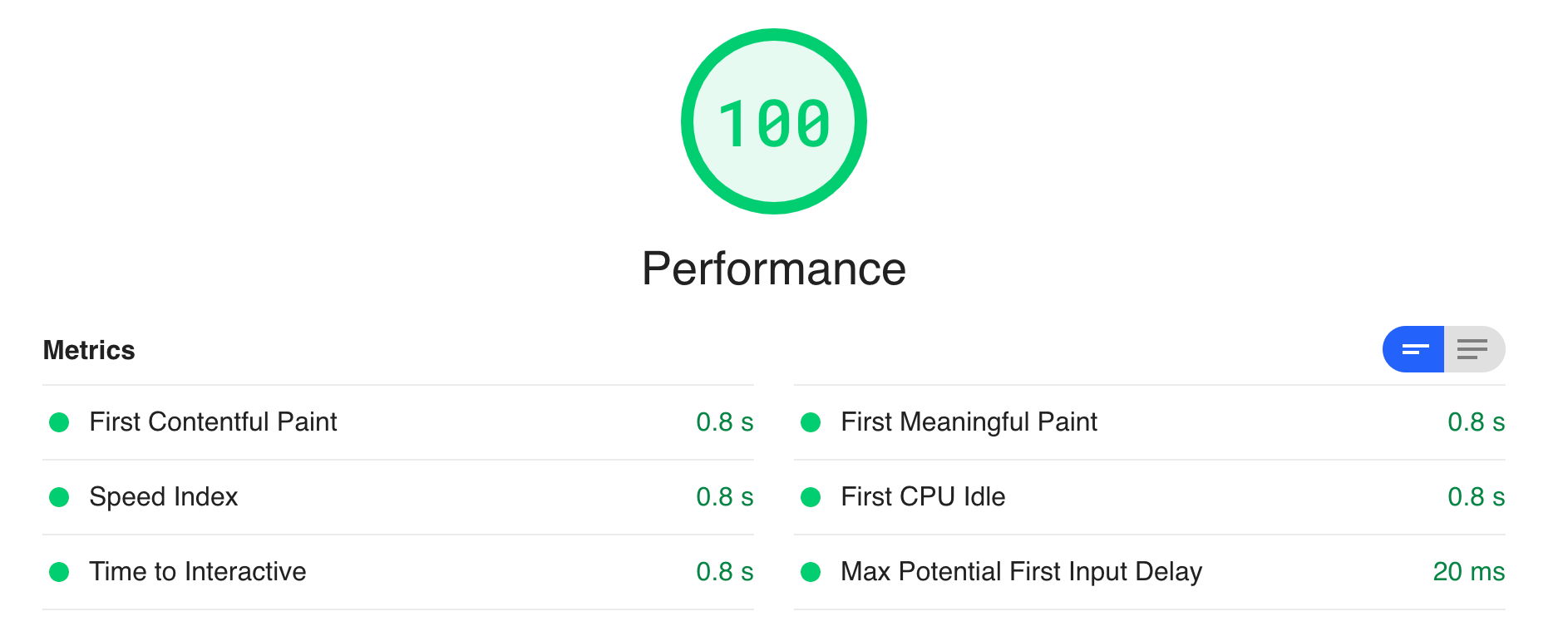
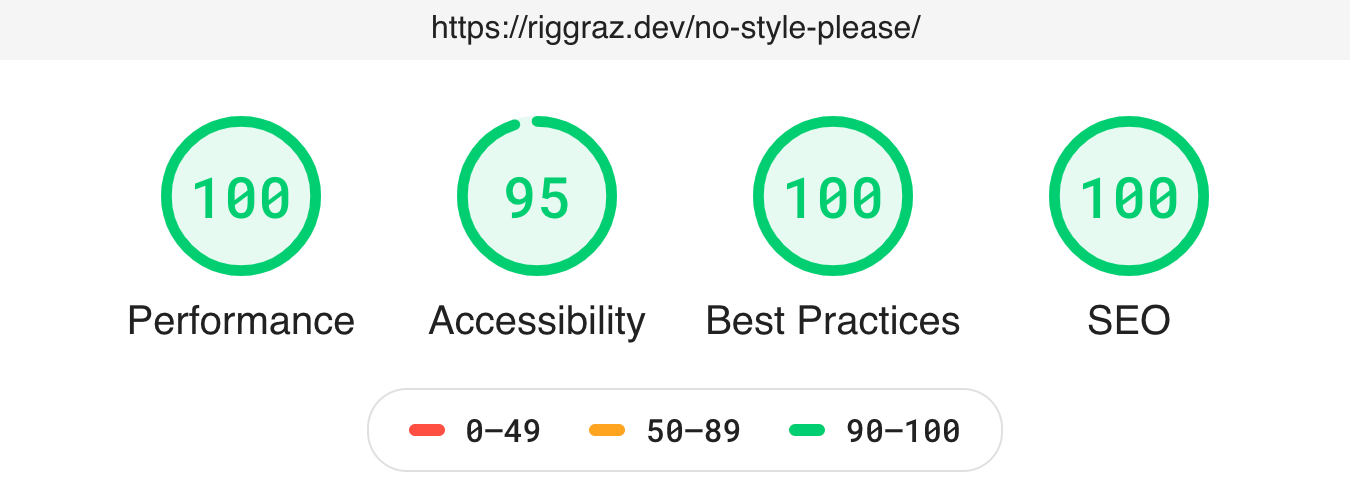
- Fast - 1KB of CSS! For more information on performance, see the Page Speed Insights report and Lighthouse report
- Light, dark, and auto modes - Automatic theme switching based on system preferences
- Responsive - Optimized for all device sizes
- Content-first - Typography optimized for maximum readability
SEO optimized (uses Jekyll SEO Tag)RSS feed (uses Jekyll Feed)Fully compatible with GitHub Pages (see GitHub Pages installation)
Note: You should build the
_sitedirectory yourself, as GitHub Pages does not support all Jekyll plugins.
Installation
If you haven't already created your blog using Jekyll, follow the instructions to do so from Jekyll's documentation.
Note: If you are using Jekyll with GitHub Pages, see the GitHub Pages installation section.
Then, to style your blog with this theme, add this line to your Jekyll site's Gemfile:
gem "jekyll-zeta"And add this line to your Jekyll site's _config.yml:
theme: jekyll-zetaAnd then execute:
$ bundle
Or install it yourself as:
$ gem install jekyll-zeta
Customize the Menu
Edit the theme_config > menu section in _config.yml.
Below is the default configuration:
theme_config:
  menu:
    - title: Home
      url: /
    - title: Archive
      url: /archive.html
    - title: Tags
      url: /tags.html
    - title: About
      url: /about.html
Show All Tags
- Create a
tags.mdfile with the following content:
---
title: TAGS
layout: tags
permalink: /tags/index.html
---- Add an entry to
_data/menu.yml:
- title: tags
  url: tags